Free Delivery & Return
 365-Day Returns
 10 Million Happy Customers
 500,000 Products in Stock

Outdoor Furniture Materials: How to Choose the Right One for Your Garden
Reviewed by the Beliani Content Team · Updated November 2026
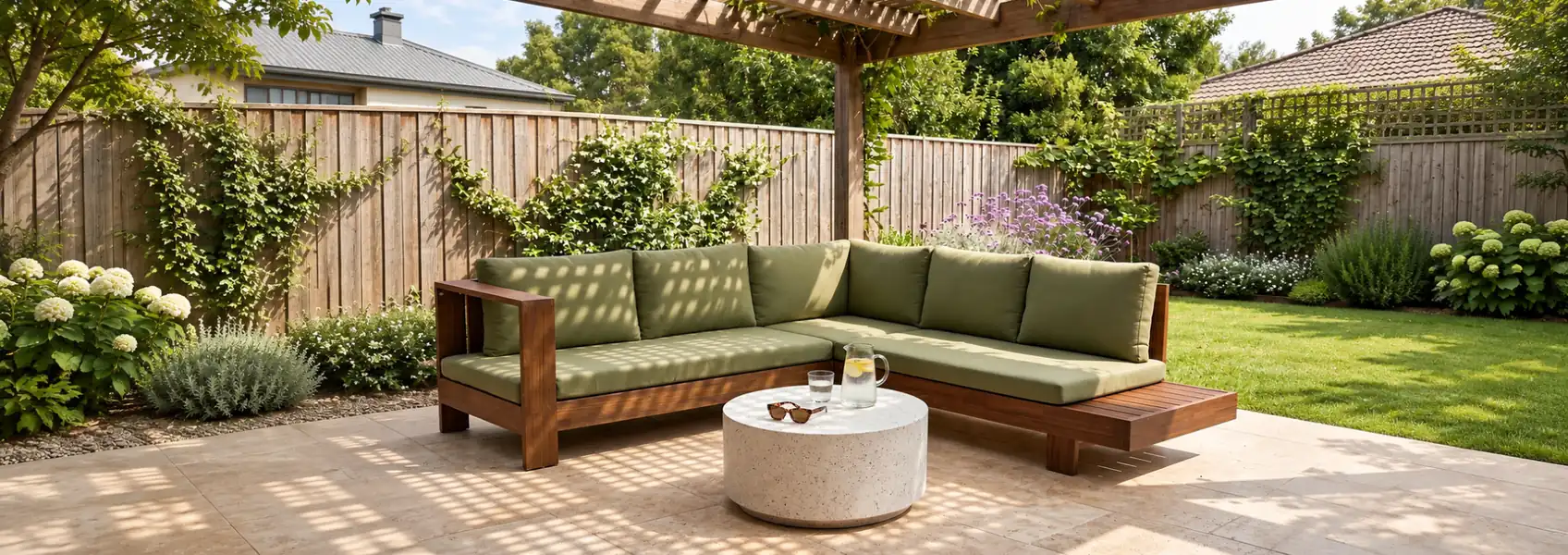
Garden furniture materials differ in weather resistance, weight, appearance and maintenance requirements. Choosing the right material depends on how exposed your outdoor space is, how often you use your furniture and how much maintenance you are prepared to carry out. This guide compares wood, PE rattan, metal, plastic, concrete and stone to help you make an informed choice.
In short
Which material is best for garden furniture?
Powder-coated aluminium and PE rattan are practical, low-maintenance choices for garden furniture. Wood offers a natural appearance but generally requires more care, while concrete and stone are better suited to outdoor arrangements that rarely need moving. Lightweight plastic furniture is a practical alternative for smaller spaces and occasional use.
- Exposure to rain, sunlight, frost and wind
- How often furniture needs moving or storing
- Cleaning and maintenance requirements
- Available space and balcony load limits
How do garden furniture materials compare?
Compare the main outdoor furniture materials by weather resistance, maintenance, weight and recommended use. The characteristics below are general guidelines, as the performance of individual products also depends on their construction, protective finish and care requirements.
| Material | Weather resistance | Maintenance | Typical weight | Best suited to |
|---|---|---|---|---|
| Wood | Varies by species and protective finish | Regular cleaning and protective treatment where recommended | Medium to heavy | Dining sets, benches and lounge furniture |
| PE rattan | Good moisture resistance; UV resistance varies by product | Wipe clean and remove dirt from the weave | Light to medium, depending on construction | Outdoor lounge sets and dining chairs |
| Aluminium | High corrosion resistance | Occasional cleaning and inspection of the finish | Light | Balconies and flexible layouts |
| Powder-coated steel | Good with an intact protective coating | Cleaning and repairing coating damage where recommended | Medium to heavy | Dining sets, benches and terraces |
| Plastic | Good against rain; UV and frost resistance vary | Wipe clean and protect when necessary | Generally light | Family gardens, balconies and stackable seating |
| Concrete | Depends on composition, finish and frost resistance | Cleaning and resealing where required | Heavy to very heavy | Permanent terrace layouts |
| Stone | Varies by stone type and surface treatment | Cleaning and sealing porous surfaces where recommended | Heavy to very heavy | Permanent dining and coffee tables |
Which wood is best for garden furniture?
The lifespan of wooden garden furniture depends on the wood species, protective finish, construction and maintenance. Teak is naturally rich in oils and offers good resistance to outdoor conditions, making it a practical choice for furniture used regularly throughout the season. Acacia and eucalyptus are also popular options, although they generally benefit from regular protective care to maintain their appearance. If you prefer wooden furniture that retains its original colour, check whether periodic oiling or another protective treatment is recommended. Avoid prolonged contact with standing water and follow the maintenance instructions for the specific wood and finish. Wooden dining sets and benches pair well with neutral outdoor cushions, natural textures and surrounding greenery.
Shop now: wooden garden furniture
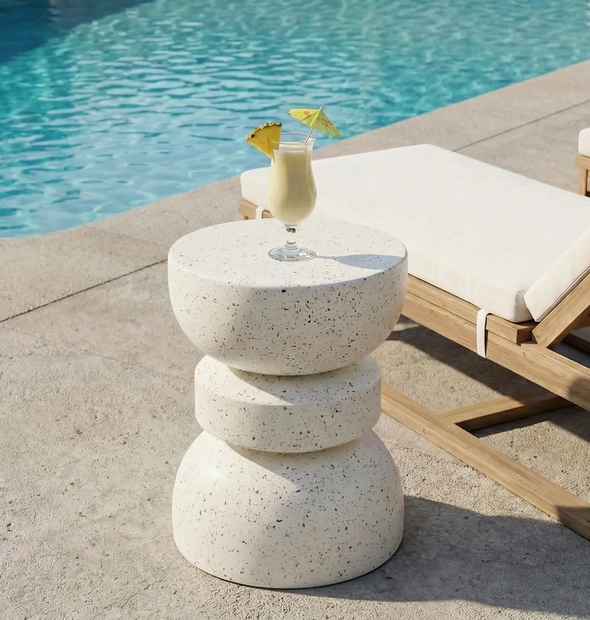
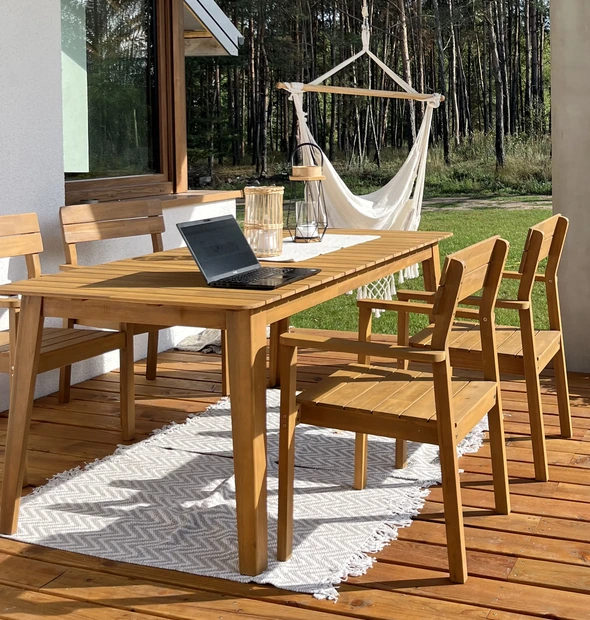
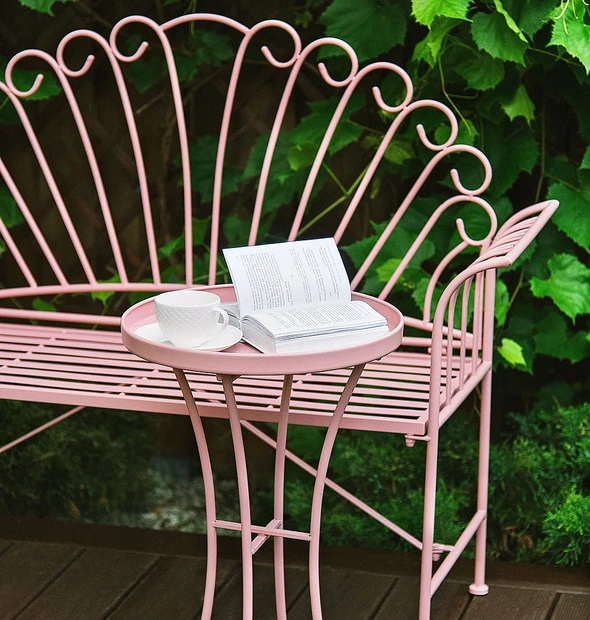
Anything caught your eye? Shop our featured products
Is PE rattan better than natural rattan outdoors?
PE rattan, also known as synthetic rattan, is generally better suited to outdoor use than natural rattan because its polyethylene weave resists moisture and is easy to clean. Choose furniture with a stated UV-resistant weave if it will be exposed to direct sunlight, as prolonged exposure can cause lower-quality synthetic fibres to fade or become brittle. PE rattan is particularly practical for garden lounge sets, dining chairs and outdoor armchairs that are used regularly. Clean the weave with a soft brush or damp cloth to remove dirt from between the fibres, and store removable cushions in a dry place when not in use. Its woven texture works well with colourful outdoor cushions, throws and lanterns.
Natural rattan is not suited to exposed outdoor spaces
Natural rattan absorbs moisture and can deteriorate with repeated exposure to rain and damp conditions. Unless specifically designed and treated for outdoor use, it is better suited to conservatories and dry, sheltered spaces.
Shop now: rattan garden furniture
Aluminium or steel: which metal garden furniture should you choose?
Aluminium is lightweight and naturally resistant to corrosion, making it a practical choice for balconies, stacking chairs and furniture that needs regular rearranging. Steel is generally heavier and relies on protective coatings, such as powder coating, to reduce the risk of rust. Choose aluminium if you regularly move your furniture or store it between uses. Steel can be a suitable option for dining sets and benches that remain in one position, provided the protective coating is maintained. Check metal furniture regularly for scratches and coating damage, particularly around feet and joints where moisture may collect. Both materials are available in slim contemporary designs and more decorative styles. Regardless of the material, secure or store garden furniture before strong winds develop.
Shop now: metal garden furniture
When is plastic garden furniture a good choice?
Plastic garden furniture is generally lightweight, easy to clean and practical for family gardens, balconies and occasional seating. Stackable polypropylene or polyethylene chairs are particularly useful where storage space is limited or additional seating is needed for guests. Prolonged exposure to sunlight can cause fading and brittleness, so check whether the material is UV-stabilised and suitable for outdoor use. More substantial designs made from high-density polyethylene (HDPE), including plastic lumber, can offer an alternative to lightweight moulded furniture. Check the product weight and storage recommendations before buying, particularly if the furniture will be exposed to freezing temperatures. Plastic furniture is also available in a wide range of colours, making it easy to coordinate with outdoor accessories.
What should you know before buying concrete garden furniture?
Concrete garden furniture is typically heavy and well suited to outdoor arrangements that remain in one position, such as dining areas or terraces with a permanent seating layout. Check the total product weight, delivery access and installation location before ordering, particularly if you intend to place the furniture on a balcony or raised terrace. Porous concrete can absorb liquids and develop stains, so check whether the surface has a protective seal and requires periodic resealing. Clean spills promptly and confirm that the product is suitable for freezing conditions if it will remain outdoors during winter. Fibre-reinforced concrete and concrete-effect composites may offer lighter alternatives, depending on their construction. Wooden accessories, outdoor cushions and greenery can soften the solid appearance of concrete furniture.
Shop now: concrete garden furniture
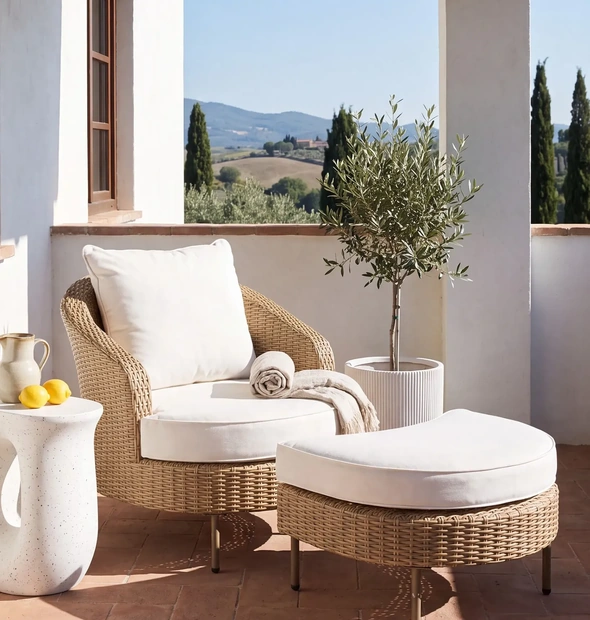
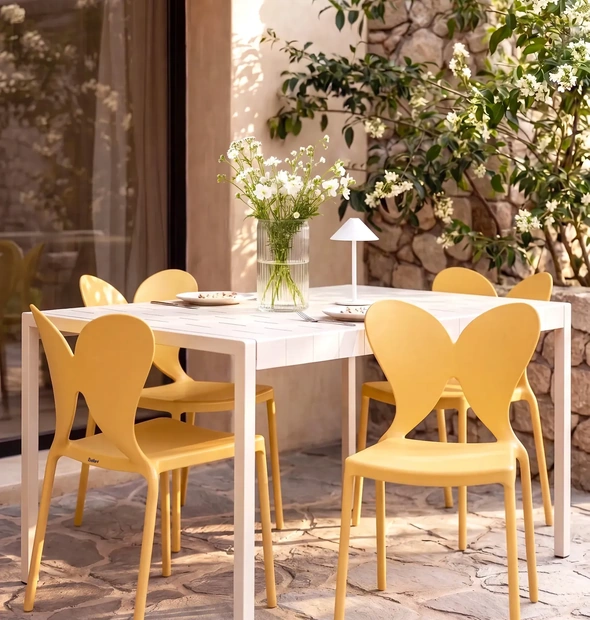
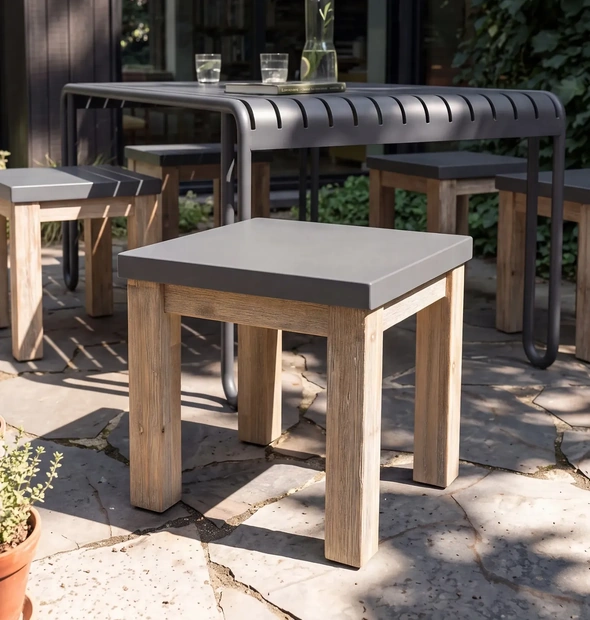
Loving one of these products? Shop our featured seats
Is stone furniture practical for outdoor use?
Stone garden furniture is particularly suitable for dining tables, coffee tables and decorative pieces that remain in one position, as its considerable weight makes frequent rearrangement less convenient. Granite is generally resistant to everyday wear, while marble is more sensitive to staining and damage from acidic substances such as citrus juice or vinegar. Composite stone offers another option, with weight, weather resistance and maintenance requirements varying according to its composition and finish. Before buying, check whether the stone is suitable for outdoor use, whether it requires sealing and whether it can withstand freezing conditions. Wooden accents, textured cushions and earthy colours complement stone surfaces and help balance their solid appearance.
Which material suits your outdoor space?
Choose garden furniture according to the size and exposure of your outdoor space, how frequently you move it and whether sheltered storage is available.
Small balcony
Prioritise weight and footprint
Folding or stackable aluminium and plastic furniture saves space and is easy to rearrange. Check the balcony's load limit before choosing heavier materials such as concrete or stone.
Exposed garden
Consider weather exposure
Choose furniture with suitable weather-resistant finishes and a stable construction. Heavier furniture may be less likely to move in ordinary windy conditions, but all furniture should be secured or stored before severe weather develops.
Covered terrace
Consider more sensitive materials
Shelter from rain and direct sunlight provides additional protection for wood and outdoor upholstery. More sensitive natural fibres may also be suitable if the space remains dry and the product is designed for those conditions.
Rented or shared space
Choose easy-to-move furniture
Lightweight aluminium, PE rattan and plastic furniture is generally easier to transport and rearrange than heavy concrete or stone pieces. Folding and stackable designs are particularly useful when outdoor space is shared.
How can you assess garden furniture quality from a product listing?
Look beyond the appearance of garden furniture and check the exact materials, protective finishes, maximum weight capacity and maintenance instructions. These details help you assess whether a product is suitable for regular outdoor use and the conditions in your garden.
- Specified wood species – helps you understand the material's natural durability and maintenance requirements.
- Powder-coated metal – provides a protective surface that helps reduce corrosion when properly maintained.
- UV-stabilised plastic or PE rattan – indicates that the material has been treated or formulated to improve resistance to sunlight.
- Maximum weight capacity – helps you determine whether chairs, benches and other seating are suitable for their intended users.
- Weather and frost resistance – helps you decide whether furniture can remain outdoors in your local climate.
- Cleaning and maintenance instructions – indicate how much care the furniture requires throughout the year.
What does the EN 581 safety standard mean?
EN 581 is a series of European standards covering the safety of outdoor seating and tables. Its general safety requirements address potential injury hazards, such as sharp edges and gaps where fingers could become trapped. It also includes mechanical safety requirements and tests for seating and tables, covering aspects such as stability, strength and resistance to repeated use. If a product listing states compliance with EN 581, check which part of the standard applies. These safety tests do not automatically guarantee that furniture is resistant to rust, fading, frost or prolonged exposure to rain, so weather resistance and maintenance requirements should be checked separately.
What to check before buying garden furniture
Before placing your order, check the following details to make sure your chosen furniture suits your outdoor space and maintenance preferences.
- Measure the available space, including room for chairs to be pulled out and for people to move around the furniture.
- Check the furniture's dimensions and weight, especially if it needs to be moved regularly or placed on a balcony.
- Confirm the exact material, wood species and protective finish.
- Check the maximum load capacity of chairs, benches and other seating.
- Review the stated weather resistance and suitability for frost or prolonged sunlight exposure.
- Check whether cushion covers are removable and washable, and whether suitable storage space is available.
- Review maintenance instructions and warranty conditions relating to rust, fading and cracking.
Frequently asked questions
Can garden furniture stay outside all winter?
Some aluminium and PE rattan furniture can remain outdoors over winter if the manufacturer permits it. Concrete and stone must be suitable for freezing conditions, while wood, steel and plastic may require additional protection. Store removable cushions indoors and follow the product-specific storage instructions. Weather resistance does not automatically mean that furniture can withstand prolonged exposure to frost, snow and moisture.
Why does teak turn grey, and can you prevent it?
Sunlight and weather exposure gradually give teak a silver-grey patina. This surface change is primarily cosmetic and does not necessarily indicate damage. A suitable teak protector or oil, where recommended by the manufacturer, can help maintain its original colour. A dedicated teak cleaner may help restore the appearance of weathered wood.
How much weight can garden chairs hold?
The maximum weight capacity of a garden chair depends on its construction, joints and materials. Always check the manufacturer's stated maximum load for the individual chair rather than estimating its capacity from the material or appearance. If the capacity is not specified in the product listing, ask the retailer before purchasing.
Do you need a cover for garden furniture?
A suitable ventilated cover helps protect garden furniture from rain, dirt and sunlight, particularly during extended periods of non-use. It is especially useful for wood, steel and furniture with fixed upholstery. Make sure the furniture is dry before covering it and allow sufficient airflow to prevent moisture from becoming trapped underneath.
Can you mix different materials in one garden?
Yes. Combining garden furniture materials allows you to choose pieces that suit different activities and areas of your outdoor space. A wooden dining table with lightweight metal chairs is practical for everyday meals, while PE rattan lounge seating paired with a concrete or stone coffee table combines a textured finish with a sturdy surface. Use similar colours, finishes or design details to connect the different pieces visually. For example, repeat the wood tone of a dining table in a bench or planter, or match the cushions on your lounge furniture to the colour of your dining chairs. When combining materials, make sure each piece is suitable for its level of weather exposure and that you can meet its individual maintenance requirements.